Security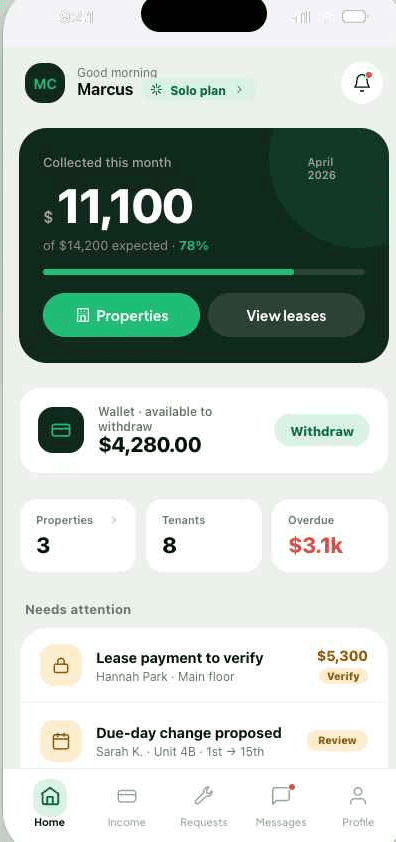
One ledger, kept for the right eyes only.
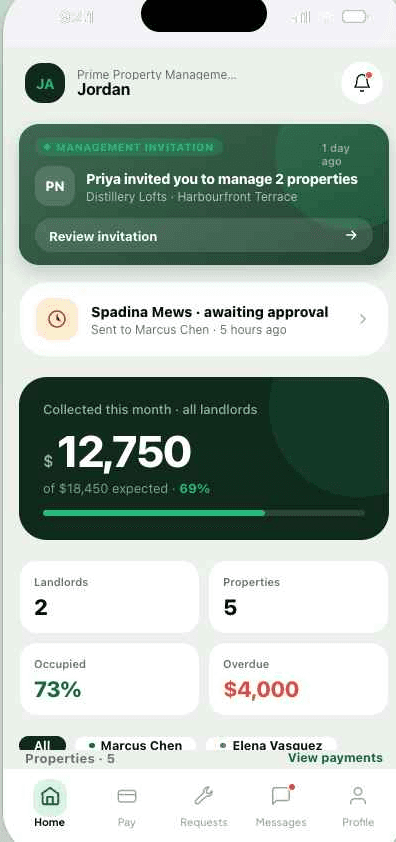
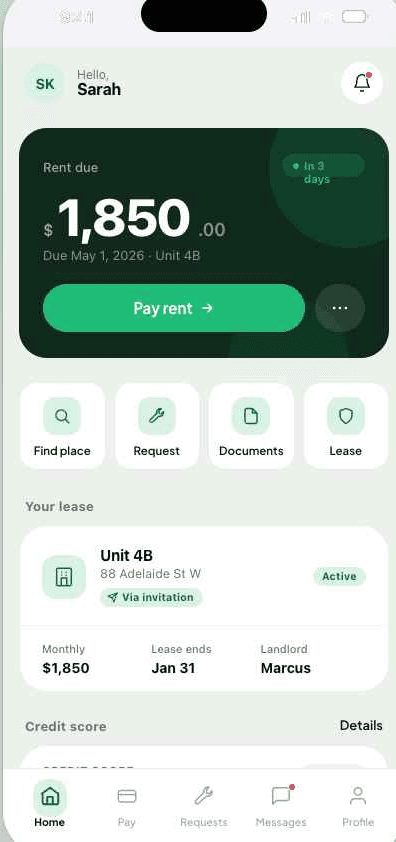
Ternah separates the landlord, manager, and tenant experience into distinct accounts and apps, so each person sees the parts of a tenancy that belong to them.
Landlord
Manager
Tenant
Ternah separates the landlord, manager, and tenant experience into distinct accounts and apps, so each person sees the parts of a tenancy that belong to them.
Some of this is live in the product today; some of it is still being finalized and documented. We’ve marked each accordingly rather than overstate where we are.
Rent, lease, and repair records live in one system of record instead of being spread across spreadsheets, email threads, and text messages - reducing the number of places tenancy data can go missing or out of sync.
Every landlord, manager, and tenant signs in to their own individual account. Landlord, manager, and tenant experiences are separate apps - a tenant account cannot see another tenant’s ledger.
Details on how Ternah’s infrastructure is hosted, secured, and maintained are still being finalized for publication.
A property manager sees the landlords and units assigned to them - either filtered to one owner or rolled up across their portfolio. A landlord sees their own properties. A tenant sees only their own lease and payment history.
Information tied to a lease - balances, messages, documents - is visible to the parties on that lease, and is not shared outside it without reason. Full detail lives in our Privacy Policy.
Details on uptime monitoring and incident response practices are still being finalized for publication.
General internal security practices - review processes, vendor handling, and related policies - are still being documented for publication.
If you believe you’ve found a security issue in Ternah, we want to hear about it directly - see the contact details below.
We take reports of security issues seriously. If you find a vulnerability, please report it to our security contact rather than a public forum, and give us a reasonable window to investigate and respond before disclosing it further.